


Bonus Episode

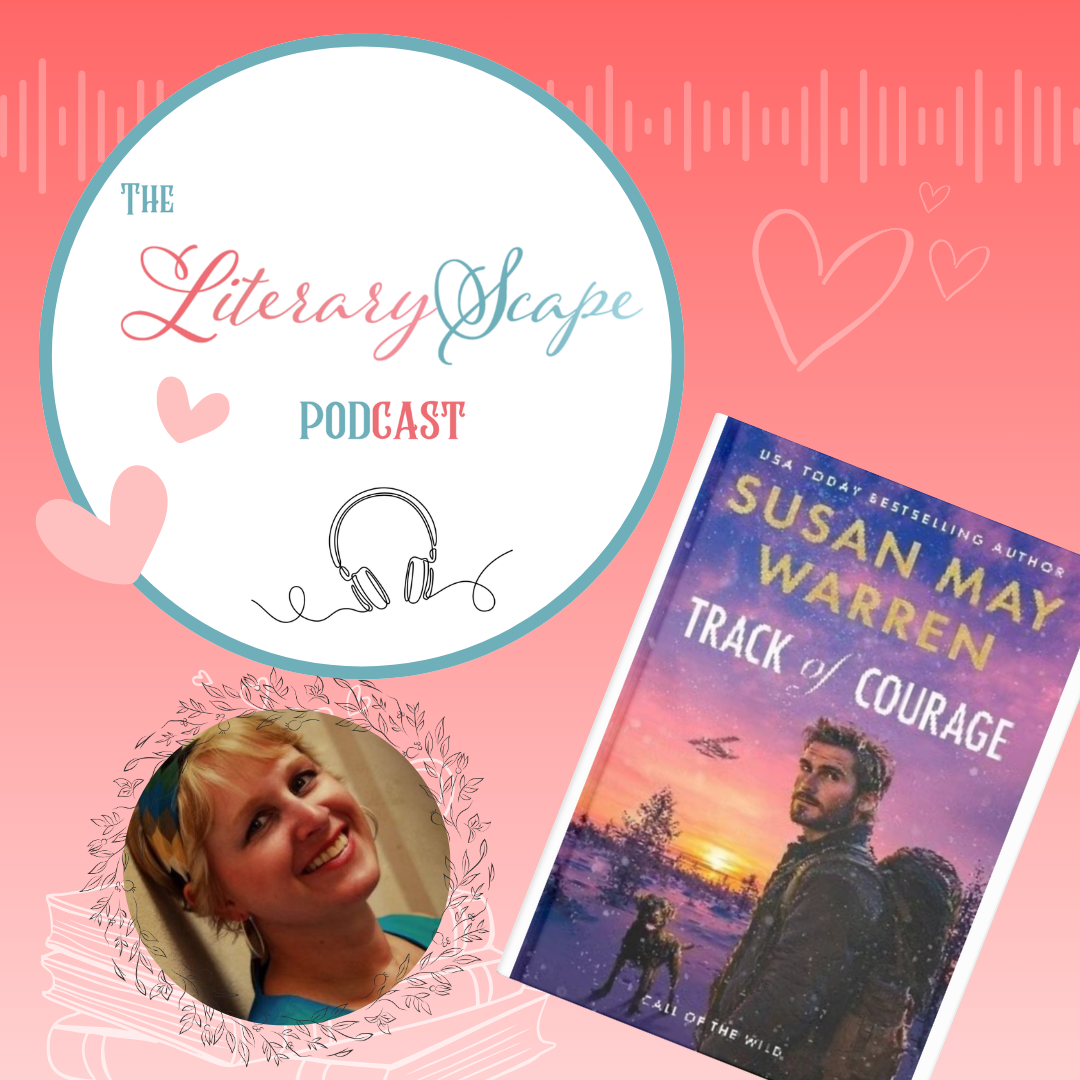
Susan May Warren talks Christian suspense romance, search and rescue dogs, and the new Call of the Wild series on LiteraryScape.
Share Episode
About This Episode
Susan May Warren on Writing Christian Suspense Romance: Faith, Dogs, and Second Chances
If you love fast-paced stories that blend romance, adventure, and deep faith themes, Susan May Warren is an author you need to know. In this LiteraryScape episode, Susan pulls back the curtain on her brand-new series, The Call of the Wild, shares her disciplined writing process, and reveals the heart behind every story she tells.
Whether you’re a devoted reader or an aspiring writer, this conversation is packed with inspiration.
From Reader to Writer: Following What You Love
Susan’s advice to new authors is refreshingly simple: write what you already read.
“Look at your shelf. Look what you’re already reading. Even if you read widely like I do, there’s probably something that dominates—pull that off and start right in there.”
Susan began in romantic suspense, drawn to its fast pace and the thrill of characters falling in love under pressure. Over time she shifted toward romantic adventure—man-versus-nature stories where survival becomes the backdrop for connection.
Today she writes across multiple sub-genres, including contemporary romance, historical fiction, and rom-coms. But adventure suspense with a strong faith thread remains her signature.
A Writing Schedule Built for Productivity
Consistency is Susan’s superpower. She writes three focused days per week—Tuesday, Wednesday, and Thursday—from roughly 9 a.m. to 6 or 7 p.m., producing up to 10,000 words in a single day.
Mondays are reserved for business tasks: marketing, running her publishing company, and administrative work. Fridays serve as a flexible catch-up day for writing or personal errands.
One recent game-changer? Voice-to-text dictation.
“I feel like I’m right there in the story, in the character’s head. The dialogue feels really fresh and raw.”
This method accelerates her first drafts and keeps the emotional energy alive on the page. She saves research details for the editing phase, layering them in later.
Susan also teaches weekly classes at Novel Academy, the Christian writing school she founded—now 20 years strong and the longest-running of its kind on the internet.
The Call of the Wild: Alaska, Search and Rescue Dogs, and a Pop Star
The new series grew from two directions at once. A beloved character named Dawson from her previous Air One Rescue series needed his own story—funny, charismatic, brave, and wounded. At the same time, her editor challenged her to write a search and rescue canine story.
Susan didn’t want ordinary dogs. She created Caspian, Orlando, and Rome—three remarkable animals, each with their own character arc.
“The hardest part about writing the story is that the dog was his own person and own character. He had to have his own arc.”
The heroine of book one is Keely, a mega pop star—think Taylor Swift level fame—who slips away to Alaska searching for her birth mother. A plane crash at the series’ opening scatters passengers across the wilderness, setting all three books in motion.
Book one, Track of Courage, follows Dawson and Keely.
Book two, The Scent of Hope, releases June 2, 2026, and centers on Jericho Bowie, his dog Orlando, and Harley Tatum—a rekindled enemies-to-lovers romance Susan calls one of her favorites.
Book three, Trail of the Brave, features dog musher Wilder, veterinarian Stormy, and Rome.
Research: The Secret Behind Authentic Storytelling
Susan takes accuracy seriously. Her shelves hold training manuals on wildfire suppression, bush first aid, and historical nursing practices. She collects memoirs from professionals in every field she writes about.
For The Call of the Wild, she sent her first draft to a dog-training expert who gave honest feedback: the dog wasn’t right. Susan rewrote the canine character from scratch.
“The dogs gave me the most problem because the humans I can handle.”
She also cultivates a wide network of real-world experts—firefighters, search and rescue volunteers, cowboys, and more. Some connections come in unexpected places: a Greek seatmate on a plane mid-research, a Navy SEAL in the next row.
Her advice for writers who can’t find a subject-matter expert? Read memoirs, then reach out to the authors.
Writing Trauma and Faith: Honesty Over Darkness
Susan’s characters carry real wounds—grief, shame, betrayal, physical injury. She approaches those experiences by first asking herself: when have I felt something like this?
Her story structure centers on a simple but profound idea: characters believe lies, and the journey of faith is learning to replace those lies with truth.
“I believe that the journey of our faith is to submit to the Lord so he can break us free of those lies and insert truth in our lives so that we can live in freedom.”
She is equally intentional about what she leaves off the page. Just as she guards what she watches and reads personally, she guards where she takes her readers.
The result is storytelling that is honest without being gratuitously dark—a promise she makes to every reader.
Building Chemistry: The Romance Structure Behind Every Story
Great chemistry doesn’t happen by accident. Susan uses a deliberate framework she calls the “why, why not” structure.
Every hero and heroine enters the story with either an initial yes or an initial no toward the other person. That orientation determines the romantic arc. Couples fall in love through shared values, making each other better, and completing each other—revealed through shared stories and high-stakes experiences.
Survival scenarios accelerate intimacy naturally. But Susan is careful about timing. She once wrote a pivotal kiss in chapter four, then chapter five, then kept moving it until she found exactly the right moment—rewriting it three times to get the emotional payoff just right.
What Susan Hopes Readers Take Away
At the center of every book Susan writes is one core message:
“I hope my readers walk away with a fresh understanding of who God is and how much he loves them.”
She doesn’t preach. Her characters don’t always reach full redemption by the last page. But they do end in a better place than where they began—with a clearer picture of grace, second chances, and a God who never gives up.
For Susan, romance itself is a reflection of that divine love: being fully known and fully accepted. The earthly love story, at its best, points to something eternal.
Connect with Susan May Warren
Susan’s newsletter lands twice a week with story updates, recipes, adventure tales, and occasional giveaways. Her writing courses through Novel Academy serve everyone from first-time novelists to seasoned authors.
Related Episodes
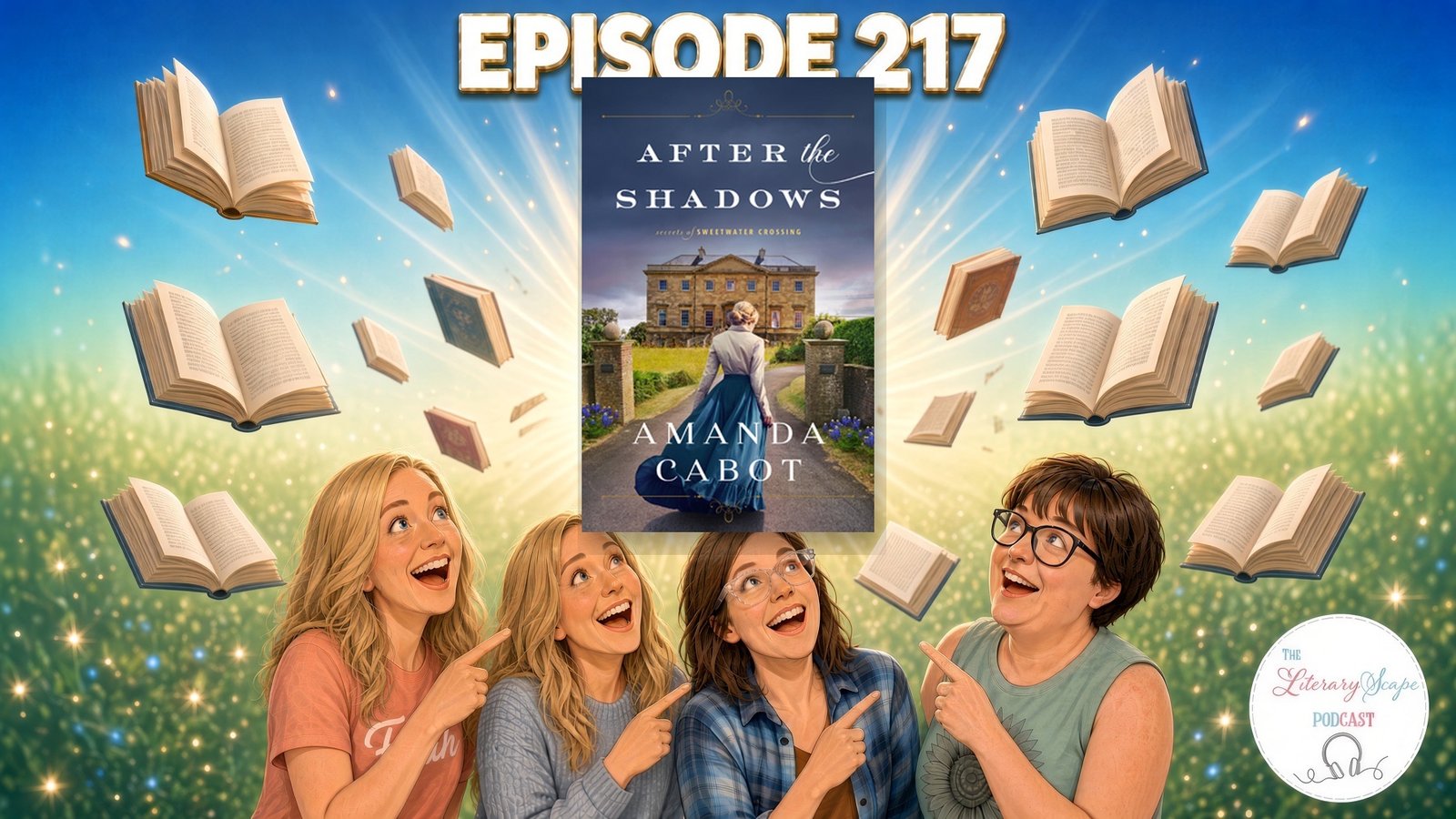
Episode 217: After the Shadows by Amanda Cabot: A Christian Historical Romance Review (Secrets of Sweetwater Crossing, Book 1)
Ep. 217: The LiteraryScape panel reviews After the Shadows by Amanda Cabot, book 1 in the Secrets of Sweetwater Crossing Christian historical romance series.

Episode 216: Lynette Eason on the Lake City Heroes Series: Christian Romantic Suspense, Faith, and Everyday Heroes
Bestselling author Lynette Eason wraps up her Lake City Heroes Christian romantic suspense series, sharing faith, research, heroes, and hope on the LiteraryScape Podcast.
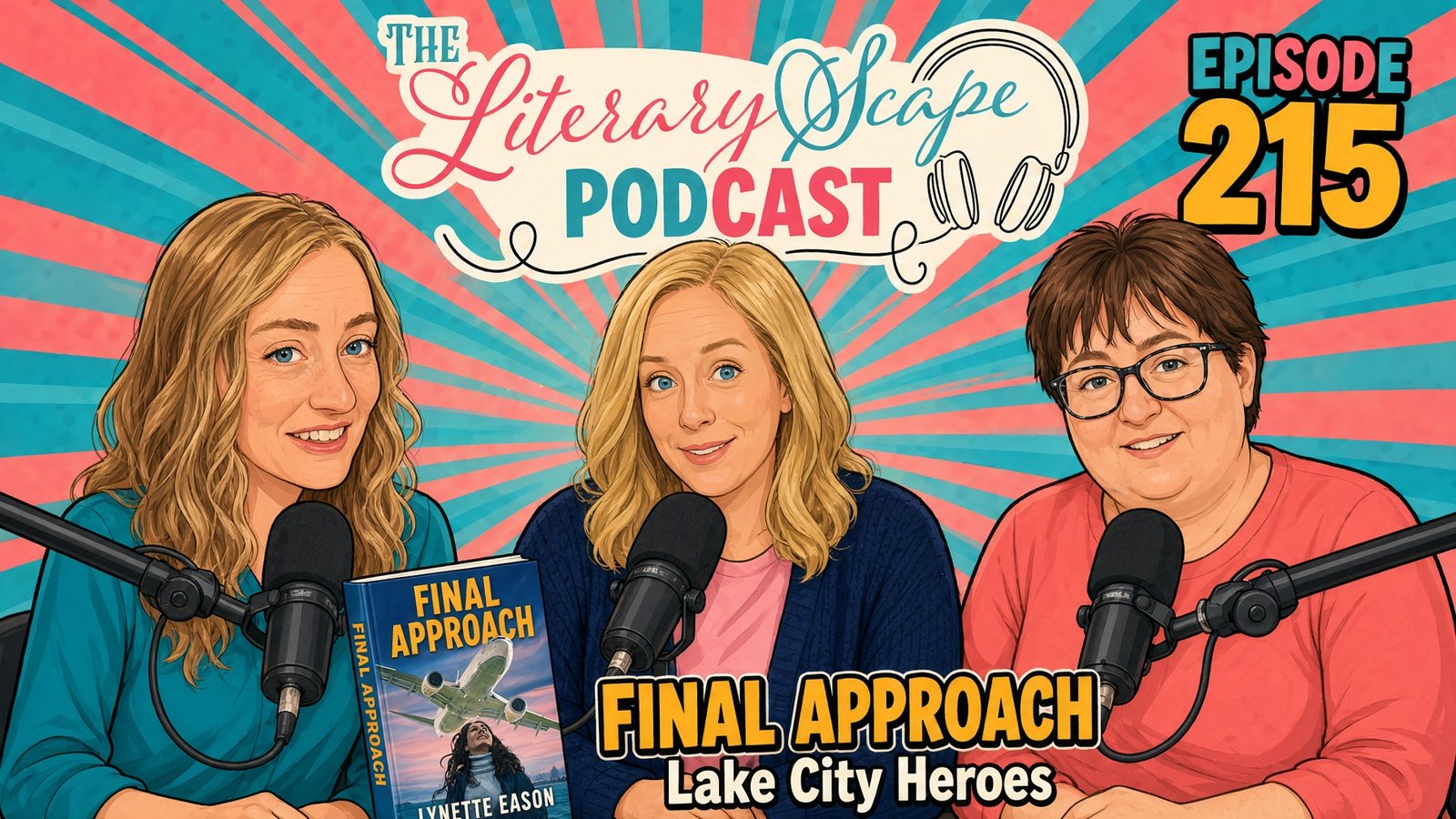
Episode 215: Final Approach by Lynette Eason: Spoiler-Free Review of the Lake City Heroes Finale | Christian Romantic Suspense
Spoiler-free review of Final Approach by Lynette Eason, the Lake City Heroes finale: a hijacking, a web of deception, and faith that holds firm.
0 Comments